
Every CRO tool will tell you what's happening on your site. Heatmaps, session replays, split-test dashboards - YourCrow included - all of it is downstream of one thing: knowing what to test in the first place. That part doesn't come from software. It comes from pattern recognition, and pattern recognition comes from having seen a lot of patterns before.
So instead of another "best CRO tools" roundup, here's the reading list our team actually reaches for - the books that shaped how we think about friction, persuasion, and the split-second decisions people make on a landing page before they've consciously decided anything at all.
01 - Don't Make Me Think

Steve Krug
Krug's central claim is almost insultingly simple: people don't read pages, they scan them, and every ounce of thought you force them to spend deciding where to click is an ounce they didn't spend converting. It's short, it's over twenty years old, and it's still the fastest way to reset a team that's over-designed its way into confusion.
Cache it for
Nav structures, form design, anything where you catch yourself explaining a layout instead of it explaining itself.
02 - Influence: The Psychology of Persuasion
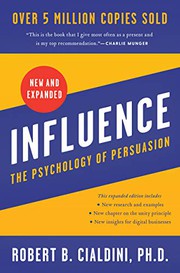
Robert Cialdini
The book that named six of the levers your CTAs are already pulling, whether you meant to or not - reciprocity, scarcity, authority, social proof, commitment, liking. Every "only 2 left" counter and testimonial carousel on the internet is a half-understood paraphrase of this book. Read the original and you'll start using the mechanisms on purpose, and stop misusing the ones that backfire.
Cache it for
Social proof placement, urgency messaging, why some trust badges convert and others just add clutter.
03 - Predictably Irrational

Dan Ariely
Ariely's experiments make one point stick harder than any CRO case study: people don't compare options rationally, they compare them relatively, against whatever's sitting next to them. That's the entire logic behind decoy pricing tiers and "most popular" flags - and once you see it, you can't unsee it in your own pricing page.
Cache it for
Pricing page structure, plan tiering, anchor pricing on before/after comparisons.
04 - Making Websites Win

Karl Blanks & Ben Jesson
Written by the founders of Conversion Rate Experts, this is the least theoretical book on this list - it's a field manual, built from campaigns they ran for real clients, mistakes included. It's the one to hand a junior strategist who understands the psychology but hasn't yet run a test that failed for a reason nobody predicted.
Cache it for
Structuring a testing roadmap, briefing a client on why a "sure thing" test lost.
05 - You Should Test That

Chris Goward
Goward's LIFT model - Value, Relevance, Clarity, Anxiety, Distraction, Urgency - is the closest thing CRO has to a diagnostic checklist. It's less about any single tactic and more about training yourself to run the same six-question audit on every page, every time, instead of testing whatever the loudest person in the meeting suggested.
Cache it for
Landing page audits, prioritising a backlog of test ideas objectively.
06 - Landing Page Optimization

Tim Ash
First published in 2008 and still cited constantly, mostly because it treats the landing page as its own discipline rather than a smaller version of the homepage. Ash is unusually good on the mechanics of message match - the invisible thread between the ad someone clicked and the headline that greets them - which is exactly the seam where most paid campaigns leak conversions.
Cache it for
Paid search and paid social landing pages, message match audits between ad copy and page copy.
07 - Thinking, Fast and Slow
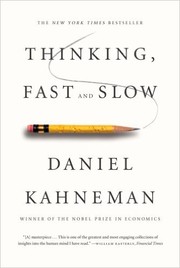
Daniel Kahneman
Not a marketing book at all, which is exactly why it belongs here. Kahneman's System 1 / System 2 framework - fast, intuitive judgment versus slow, effortful reasoning - explains why a page can be logically correct and still convert badly. Most users never leave System 1 on your landing page. Design for the decision they're actually making, not the one you wish they were making.
Cache it for
Above-the-fold hierarchy, first-impression testing, understanding why "more information" sometimes lowers conversion.
08 - Hooked

Nir Eyal
Technically a product-habit book, not a CRO book - but conversion doesn't end at the form submit, and Eyal's trigger-action-reward-investment loop is the clearest model going for what happens after someone converts once and you're trying to earn the second visit. Essential if your funnel doesn't end at checkout.
Cache it for
Onboarding flows, retention email sequences, anything measured in return visits rather than one-off conversions.
"Tools tell you what happened. Books tell you why it will happen again."Crow Editorial Team
Editorial context: Crow editorial team, methodology and corrections
None of these books will run a test for you, and none of them are a substitute for actually watching real people struggle with your real page. But they're the difference between guessing at what to test next and knowing - and that's the part no dashboard can shortcut.
If you've already got the instinct and just need somewhere to point it, that's what we built YourCrow for.